
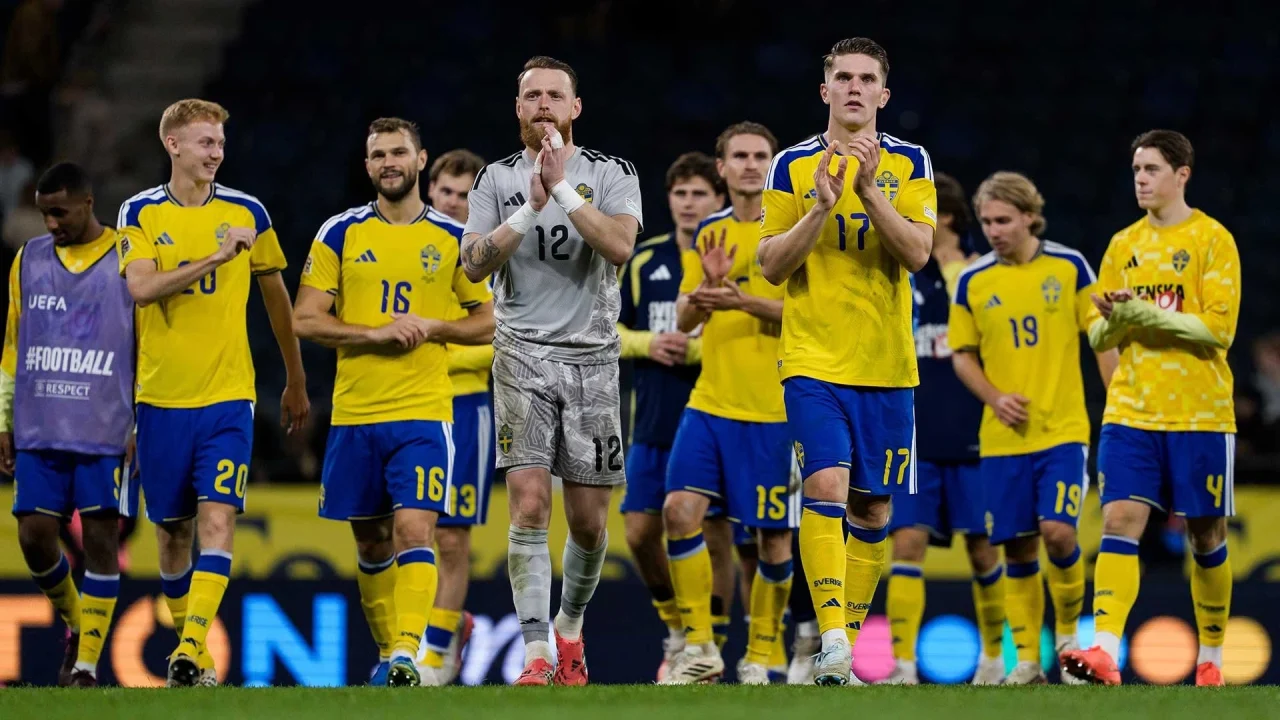
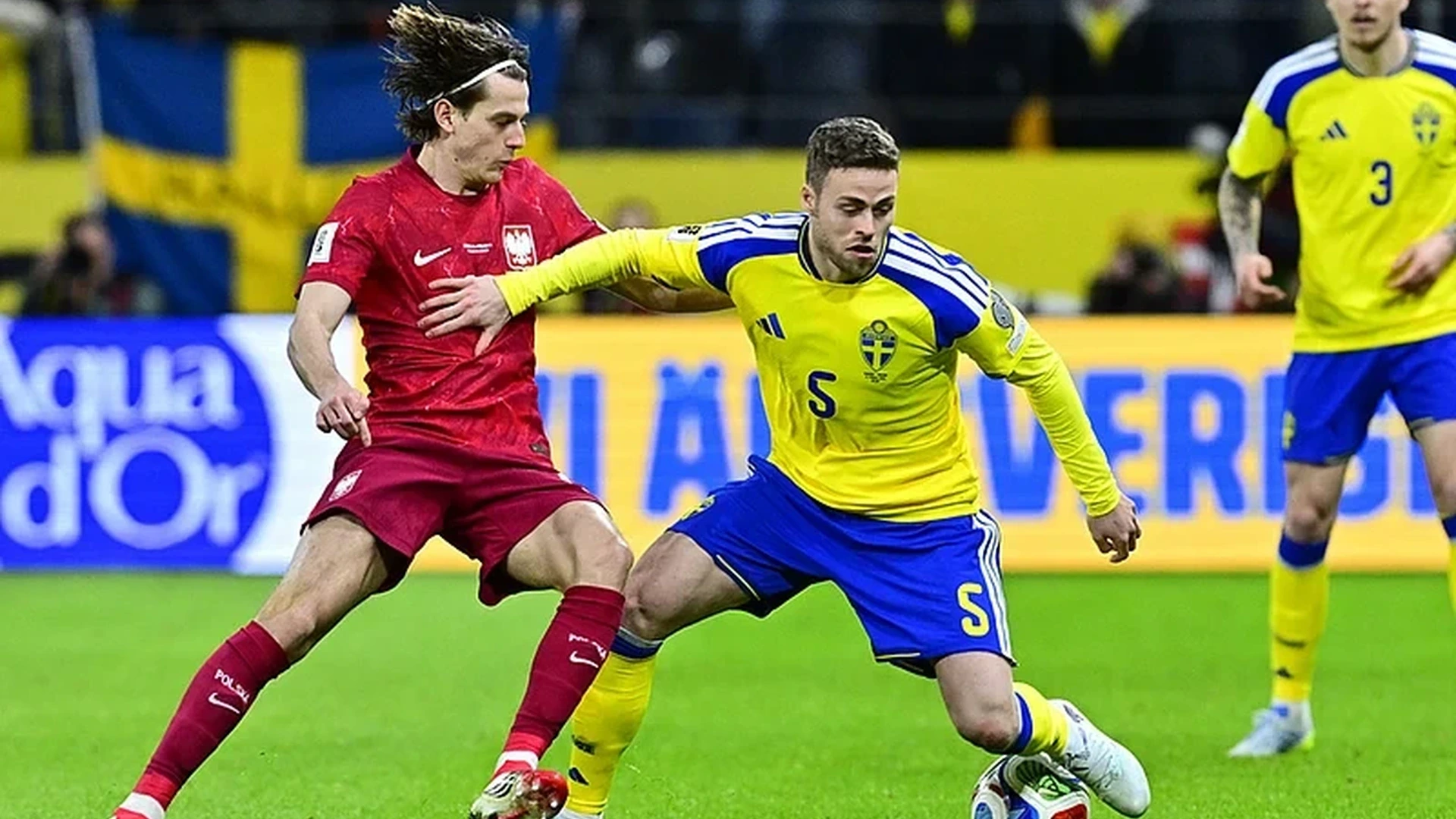
Nygren, Hugo Larsson and Viktor Gyökeres scored as Sweden beat Poland 3-1 in the Nations League. Sebastian Szymański had drawn Poland level, but the home side took charge again after the break and turned their share of possession into goals. Sweden closed the early fixtures on six points, while Poland had one. The difference lay in Sweden’s habit of keeping a move alive after the first cross or shot had been blocked.
Nygren’s opener came from working the wings
Sweden stretched Poland’s back line by attacking down the flanks, which opened lanes for teammates making late runs into the box. The opener grew out of that plan rather than a long, hopeful ball forward. Nygren found a spot where his next touch carried a real threat, and his teammates pulled in enough defenders that Poland could not double up on him straight away.
Width also helped Sweden press immediately after losing the ball. Players were already close to the ball when an attack stalled, which slowed Poland’s first pass and kept the visitors defending for one more phase. A cross can be headed clear, but the danger returns when the clearance lands at a Swedish player’s feet with the whole side still facing the goal.
Szymański’s leveller showed Poland could strike between Swedish waves
Poland did not need long spells on the ball to threaten. Szymański spotted a moment when Sweden’s shape had opened up and made the most of the space on offer. The equaliser showed the visitors could punish a loose recovery, and it stopped the first half from becoming a one-sided affair for the hosts.
The goal also offered Poland a pattern they failed to repeat often enough. The first forward pass needed a teammate close enough to combine before Sweden regained their shape. When the receiver was left alone, the hosts could slow the break and reset their block. Better-timed movement from midfield would have turned those occasional chances into a constant headache.
Sweden regained control without rushing forward
After falling behind, the hosts resisted the urge to force every attack vertically. They returned to the spacing that had produced the opener, shifted Poland from side to side and waited for the next opening. That stopped the equaliser from turning the game into a scramble of loose attacks.
Control did not mean passing for its own sake. Sweden kept runners arriving around the box and went after rebounds. The difference was that those players moved as part of the play instead of leaving their positions early. Poland therefore kept defending under pressure and found fewer clean chances to hit on the counter.
| Item | Detail |
|---|---|
| Final score | Sweden 3-1 Poland |
| Sweden goals | Benjamin Nygren, Hugo Larsson, Viktor Gyökeres |
| Poland goal | Sebastian Szymański |
| Standings after two fixtures | Sweden 6, Poland 1 |
Larsson’s strike showed what the midfield was adding
Hugo Larsson’s involvement showed how effectively the hosts could arrive from deeper than the first attacking line. A midfielder who times his entry well is hard to track, because marking responsibility shifts mid-run. Poland’s defenders had to watch the striker and the wide threat, while Sweden’s passing had already drawn the midfield in.
The finish was about timing, not about standing permanently in the box. Had Larsson stayed alongside the forwards for the whole move, a defender could have picked him up early and Sweden would have lost cover outside the area. Getting into the box late let him keep the build-up under control and still pose a direct scoring threat.
Gyökeres turned the pressure into a safer lead
A centre-forward contributes far more than the final touch. Gyökeres tied up the central defenders, offered a release valve when Sweden needed to relieve pressure and attacked the area when the hosts went wide. His goal made it 3-1 and ruled out the chance that a single Polish set piece could swing the result.
The extra goal gave Sweden room to manage the closing minutes. They could cover central zones, pick their moments to push forward and force Poland to cover more ground after every turnover. The third goal therefore mattered beyond the scoreline: it shifted the risk for both sides and let the hosts see the match out in control.
Six points mark a good start, but the work continues
Sweden’s maximum haul from the opening two games reflects a side able to score through several roles. Nygren gave them the first goal, Larsson arrived from midfield and Gyökeres finished as the central focal point. That range makes it harder for future opponents to build a plan around stopping one man.
Poland’s single point does not diminish Szymański’s equaliser, but it highlights the need to link those moments together. The visitors must win second balls after defending wide attacks and get support to the first counterattacking receiver faster. Sweden secured their 3-1 win because their pressure lasted beyond individual moments; Poland’s best attacks too often stopped after one.


Comments
No comments yet — be the first to share your thoughts.