
Paris Saint-Germain and Bayern meet with midfield control at the centre of the plan
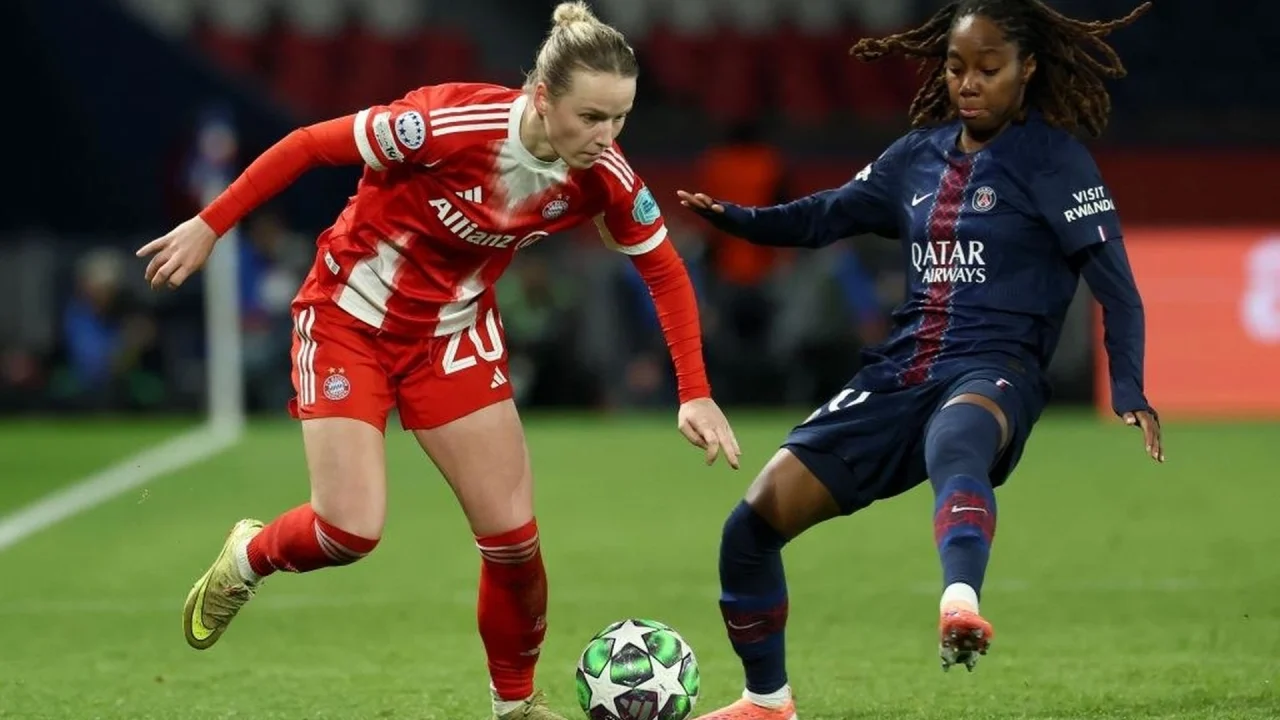
Paris can create danger by changing the point of attack
Bayern usually close central spaces with several players positioned close together. Paris can stretch that block by keeping both wide players high and moving the ball across the pitch before attempting the final pass. The switch is valuable only when it is fast enough to reach the receiver before Bayern reset.
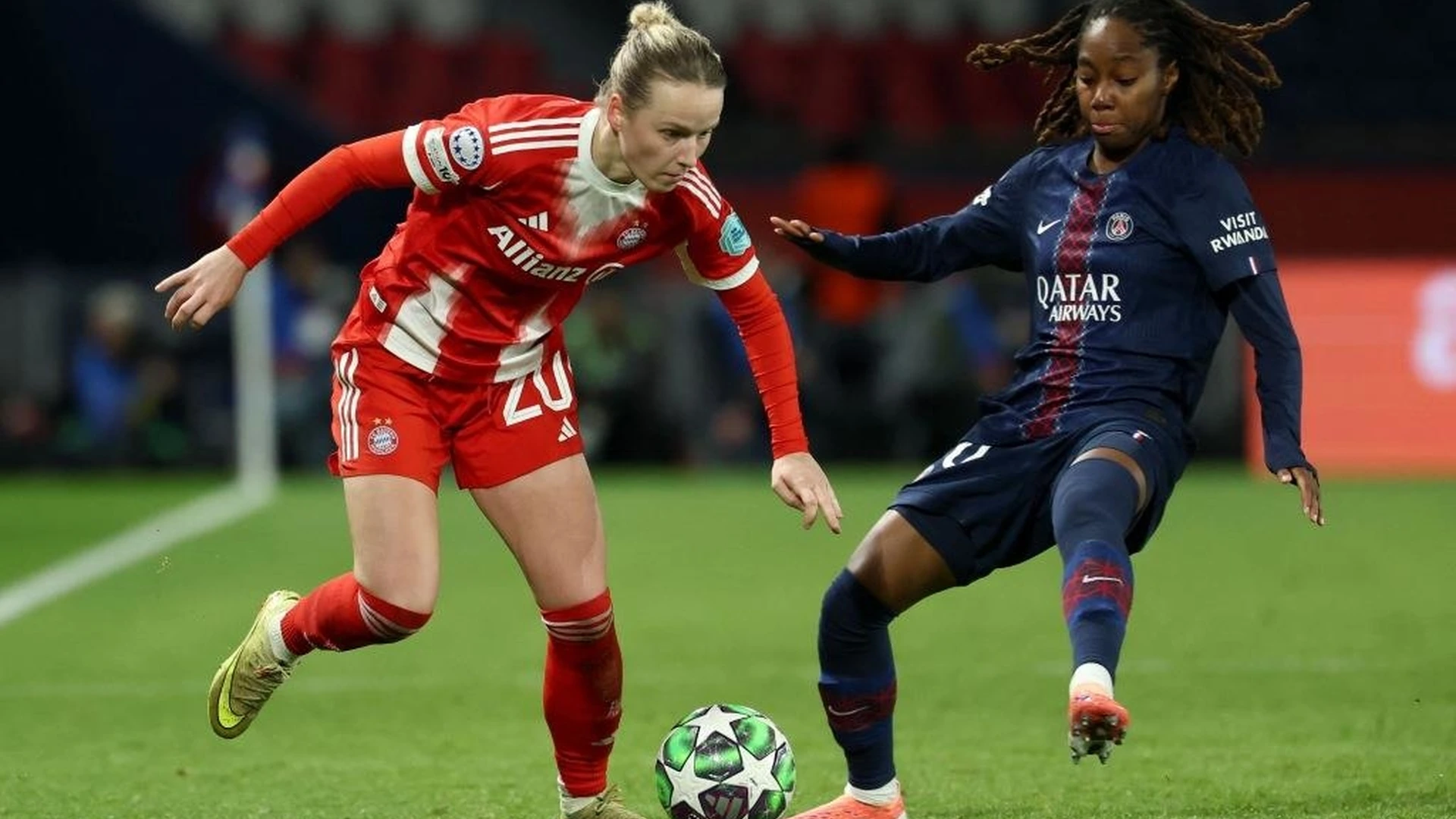
A midfielder receiving on the half-turn can then connect with a forward between the lines. Paris should not force that pass while the lane is crowded. Recycling the ball and attacking the opposite side can produce a cleaner entry and reduce the risk of losing possession in the centre.
Bayern arrive with evidence of attacking resilience
UEFA scheduled the match for 10 November as part of Women’s Champions League matchday four. Bayern have five points from their opening three games after a draw with Manchester City, a win at Benfica and another draw against Real Madrid. They have scored in every match but have not yet produced a clean sheet.
That record explains the balance required in Paris. Bayern have enough movement to create chances, yet their full-backs cannot advance at the same time without protection. One holding player must remain available to slow PSG’s first forward pass after a turnover.
Second balls can decide territory around both boxes
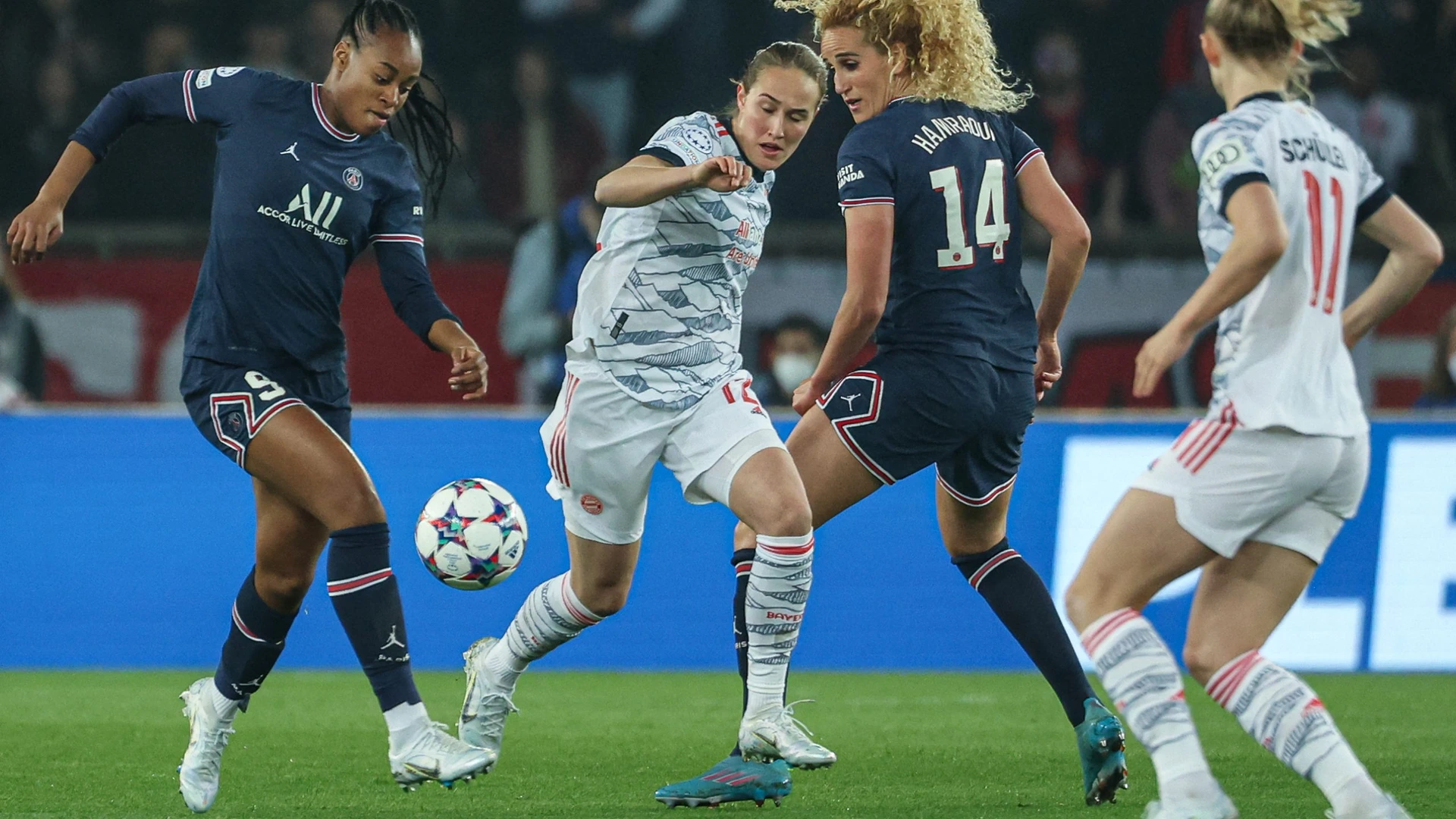
When the first attack is blocked, the next contact often decides whether pressure continues. Paris need midfielders close enough to collect clearances and prevent Bayern from escaping. Bayern require the same support when they cross, because PSG can turn a loose ball into a fast counterattack.
Set pieces add another layer. Both sides can place several strong headers in the area, but the delivery must avoid the goalkeeper’s comfortable zone. A short routine may create a better crossing angle and force the defence to reorganise while runners change positions.
A measured start should not be mistaken for caution
The opening phase may contain few risks as each team studies the other’s press. That can still be productive if possession reveals where the opponent is willing to leave space. The first successful break through midfield could alter the tempo quickly.
Paris need width and clean counter-pressure; Bayern need protection behind their attacking full-backs. Neither requirement is complicated, but executing it for the full match is difficult. The side that keeps its structure after attacking will be best placed to control the decisive moments.

Comments
No comments yet — be the first to share your thoughts.