
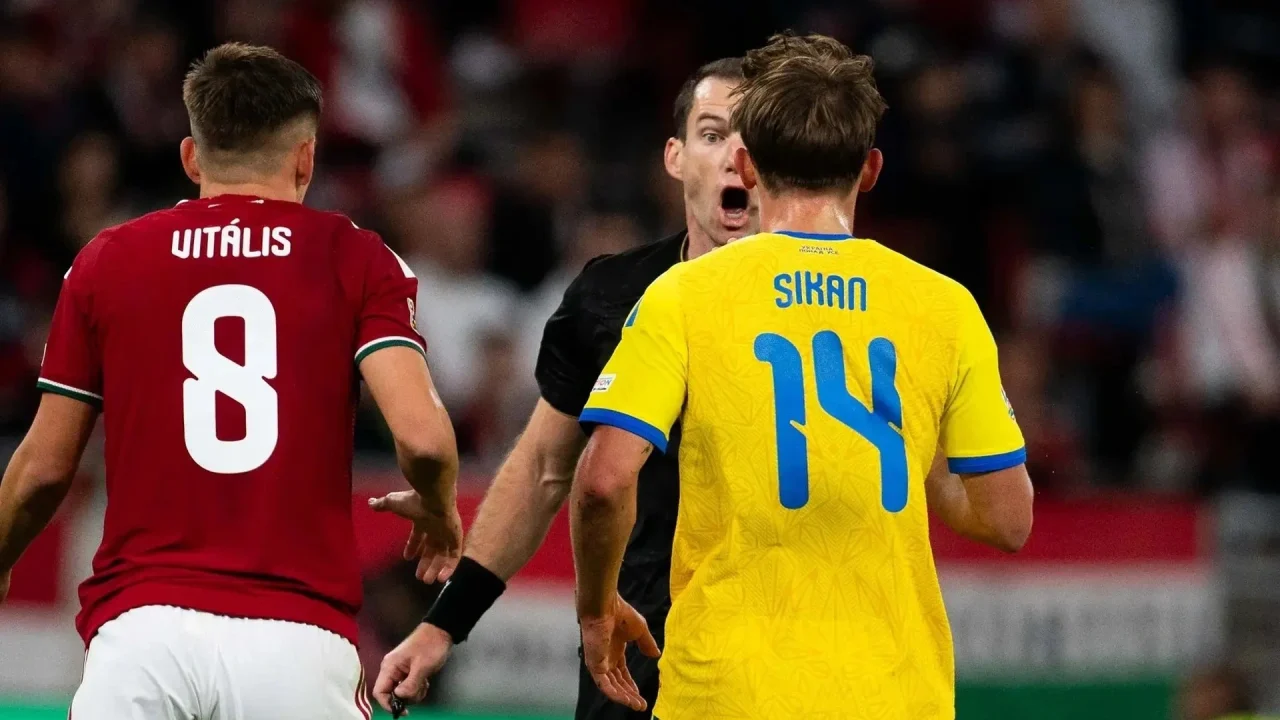
Ukraine kicked off their Nations League campaign with a 1-0 win over Hungary in Budapest. Danylo Sikan’s header late in the first half proved decisive, and Ukraine held on despite sustained pressure from the hosts and a red card late in the match.
Hungary controlled the early phases
The home team pushed the ball upfield and built enough pressure to pin Ukraine back near their own box.
Those spells produced several efforts, yet too few tested the goalkeeper in a way that demanded a serious save.
What decided the game in Hungary is straightforward: Sikan’s header before the break made it 1-0. Any reading that starts somewhere else risks mixing up what happened with what could follow. The safest conclusion is the narrow one the source and the scoreline support. Further evidence may widen the picture, but it should not overwrite a confirmed fact just because a bigger story sounds more appealing.
A final look at Ukraine’s win should keep the confirmed result apart from what still has to be seen. The source documents the event; later reports will show whether its impact lasts. Keeping those separate keeps the account precise and stops one unsettled detail from disturbing facts that are already clear. It also leaves room for a future update without making the current version feel unfinished.
Sikan made one clean delivery count
Ukraine didn’t need a long build-up. The cross found Sikan with enough room to attack the ball first.
His header turned an even first half into a game Hungary now had to chase.
The main benefit of Ukraine’s win is that a compact defensive shape limited how much Hungary’s possession mattered. Its usefulness shows up in everyday decisions rather than in grand claims. A worthwhile advantage opens another workable option, buys time to respond and stays clear when pressure builds. If it appears across several similar situations, it becomes a dependable pattern; if it shows up only once, treat it as a positive sign rather than a final judgment.
Ukraine guarded the middle
The visitors conceded some possession out wide but kept enough bodies close to block direct routes through the centre.
As a result, Hungary leaned on low-percentage shots and crosses instead of repeated clear chances in the box.
The central risk tied to Ukraine’s win is that deep cover can weaken quickly when clearances come straight back. That fragility matters before the decisive moment, since it can shrink the options without any obvious warning. A hurried fix often creates a second problem and makes the original cause harder to pin down. A better review pinpoints the first moment control slipped, checks what support was still available and adjusts only the part that broke down.
Red card raised the stakes late on
Ukraine were down to ten men in added time and had to see out the final moments without their usual midfield cover.
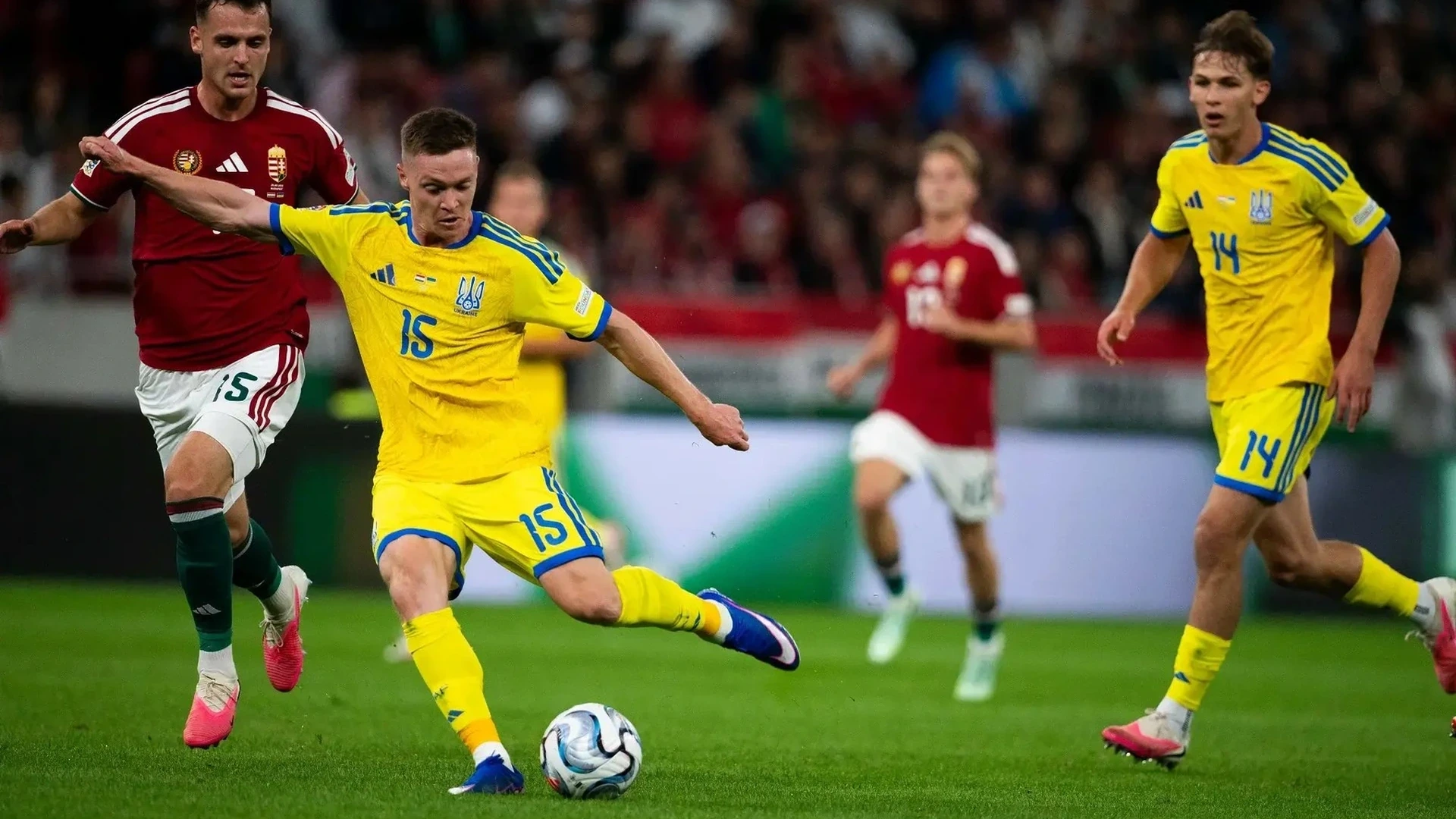
The players who remained tightened up the space, cleared the next ball and stopped Hungary from exploiting their extra man.
The practical lesson from Ukraine’s win is to keep a passing outlet available after every defensive action. Sequence matters: confirm the starting condition, make the planned move and check its immediate effect before committing more. This doesn’t guarantee success, but it makes the outcome easier to explain and repeat. It also stops frustration from turning one specific weakness into a complete change of approach.
Efficiency earned the result
Hungary enjoyed more possession and more attempts, but Ukraine created the decisive chance and defended it with discipline.
The hosts must choose their shots more carefully next time, while Ukraine can keep their compact setup without relying on one goal each time.
The clearest gauge of Ukraine’s win is how many home attacks reach a clear central shooting position. A single highlight can’t answer that, since it may hinge on timing, a favourable matchup or an isolated error. Several comparable examples show which elements stay reliable and which fade as conditions shift. A steady pattern backs up the conclusion; a sharp drop points to the phase that needs the next fix.

Comments
No comments yet — be the first to share your thoughts.