
The Golden Glove Chase at the 2026 World Cup: Keepers in Line for the Top Goalkeeper Prize
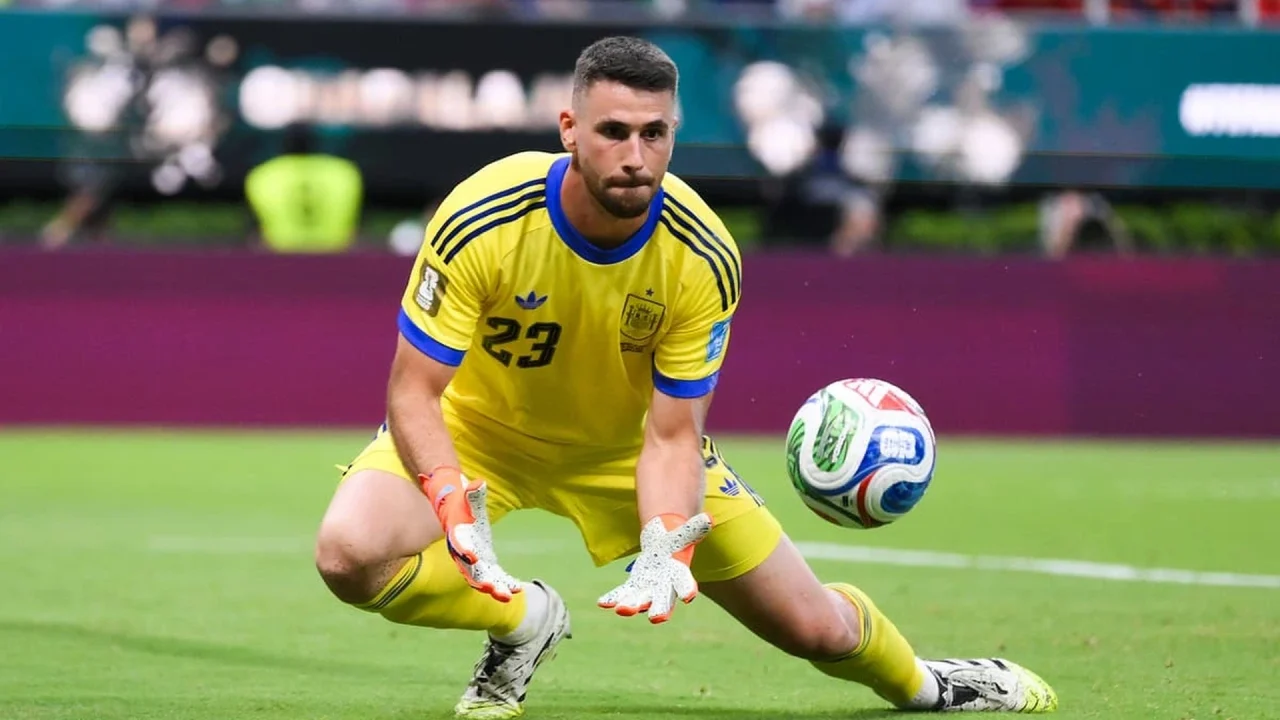
Golden Glove 2026: Which Keeper Could Take World Cup’s Top Individual Prize?
The FIFA World Cup Golden Glove ranks among football’s most prized individual awards, honouring the goalkeeper whose play has done the most to carry their country through the tournament.
The 2026 edition is hosted by the United States, Mexico and Canada and features an enlarged 48-team field. Across the group stage, goalkeepers have produced a run of outstanding saves, composed displays and decisive interventions that have kept hopes alive on four continents.
The group-stage finales take place between 24 and 27 June, and the Round of 32 kicks off on 28 June, so the Golden Glove chase remains wide open.
After two matchdays, several goalkeepers have made a strong case for themselves, and the field looks set to be the most hotly disputed best-keeper race in the competition’s history. Below is a closer look at the main candidates and what makes each one stand out.
How the Golden Glove Is Decided
The FIFA Golden Glove, which for many years was known simply as the best goalkeeper award, judges keepers by a blend of clean sheets, save rate, quality of distribution and how much each player’s contribution mattered to their side’s run.
Shutouts alone do not win it. A keeper who pulls off three remarkable saves in a close knockout match may well finish ahead of a rival who had an easy ride through a weak group.
The 2026 format brings its own challenges and openings. Twelve groups of four teams, with 48 nations involved, means more fixtures, a wider range of opponents and more high-stakes moments than at any World Cup before.
The enlarged Round of 32, a round that exists only in this edition (see our World Cup 2026 Round of 32 bracket explainer for details), asks goalkeepers to stay sharp over more games if their team is to advance far. Consistency over a long stretch counts for as much as one brilliant night.
FIFA’s technical group will evaluate every group and knockout display, yet fans and pundits tend to settle on two or three favourites long before the quarter-finals. The contenders covered here have already made that early impact.
Standout Keepers in the Group Stage
Germany’s group campaign showed some of the tournament’s most disciplined defending, and the man in goal has been a commanding figure. He has spoken clearly to his backline, dominated his box on set pieces and made a run of technically demanding saves that kept Germany’s perfect record intact at six points from two games.
Germany topped their group, so their goalkeeper enters the knockout phase with full confidence and the cleanest statistical record available so far.
Mexico’s goalkeeper has drawn similar notice. El Tri also won their group with a perfect six points, doing so on home soil before passionate crowds at venues such as the legendary Estadio Azteca. He was required to stay alert whenever opponents pressed high and tried to attack the space behind the defence.
Timely saves protected leads that might otherwise have slipped away, and Mexico’s build-up has leaned on his distribution, with precise long balls and accurate throws that got around the first wave of pressure and turned defence into attack.
The United States became the third side to collect a perfect six-point return from two matchdays, and their goalkeeper has both benefited from and added to a settled, self-assured back line.
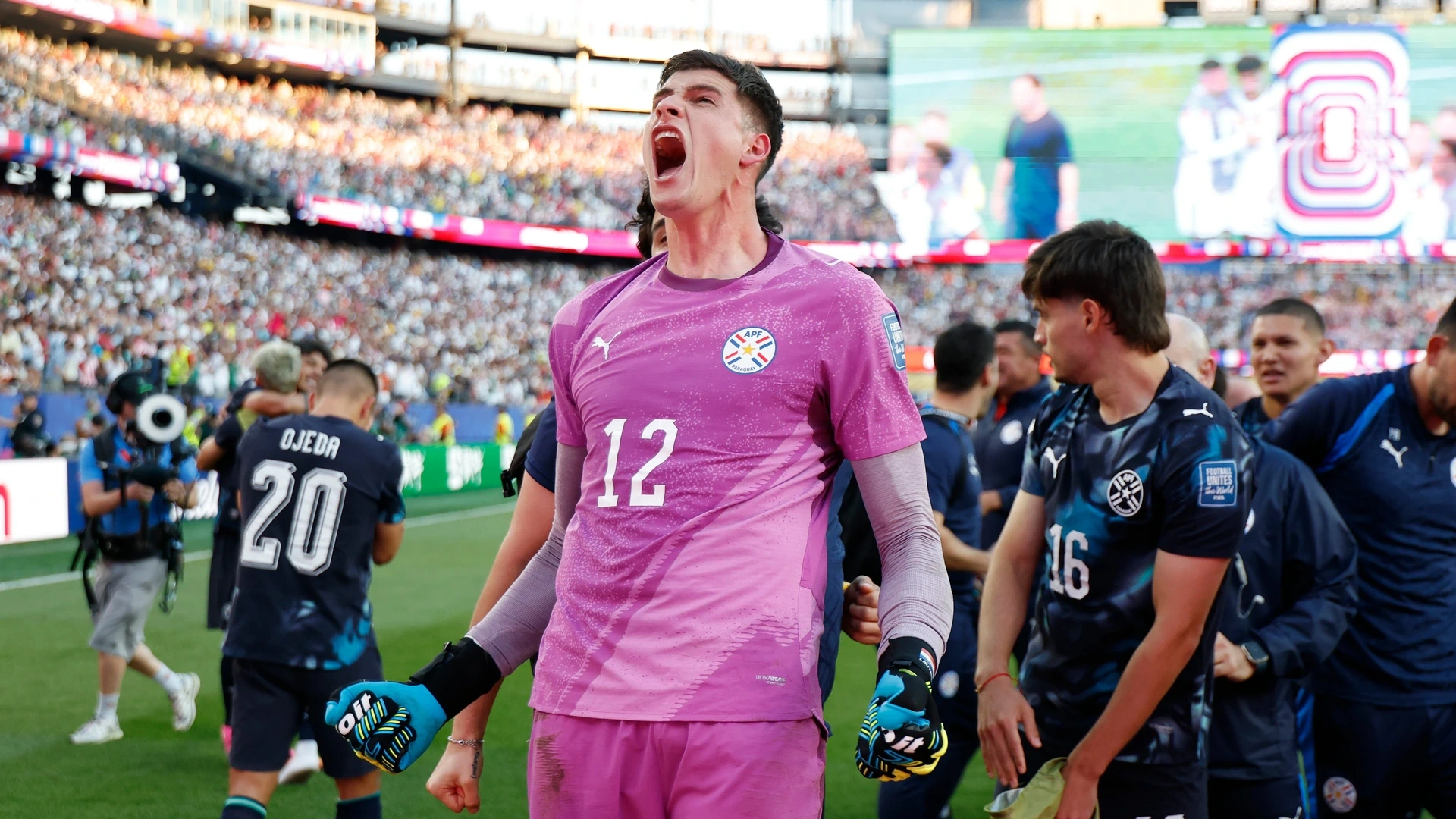
Playing in front of home fans buoyed by hosting a World Cup for the first time since 1994, the American keeper has carried the weight of expectation with a calm that exceeded what many had forecast before kickoff.
Clean Sheets, Save Rates and the Figures Behind the Race
Statistics at any World Cup reveal part of the picture but never all of it. A goalkeeper who sees just four shots over two group games and records two clean sheets will post a flawless save percentage, yet may not have been seriously examined.
On the other hand, a keeper who faces fourteen shots, lets in one goal and still makes several decisive stops may have done far more to keep their team alive.
FIFA’s technical observers factor this in through an xGoals-conceded measure, which sets goals allowed against the expected goals created by the shots a keeper faces. It rewards those who beat the statistical expectation.
In the group stage, the goalkeepers who rank highly on this measure tend to be the ones who dealt with difficult angles and tight situations, rather than routine efforts any professional would be expected to gather.
Distribution has also become a central modern criterion. Goalkeepers who act as an extra outfield player, moving the ball forward under pressure and starting attacks with accurate long passes, earn much higher marks from the technical assessment than those who simply hoof the ball upfield without purpose.
With the eight best third-placed teams advancing to the Round of 32, goalkeepers from sides that did not win their groups can still stay in the hunt. A keeper who guides a third-placed nation through the group and then delivers a heroic knockout display could easily overtake rivals whose group paths were smoother.
Comments
No comments yet — be the first to share your thoughts.