
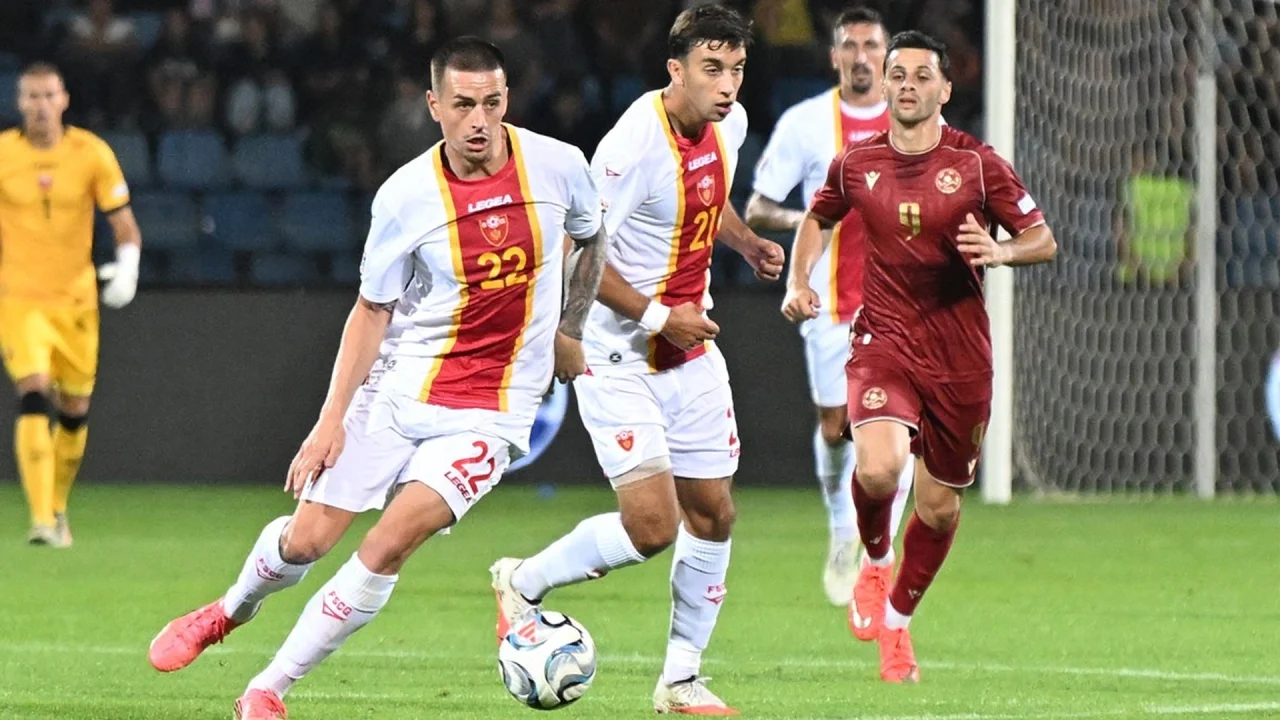
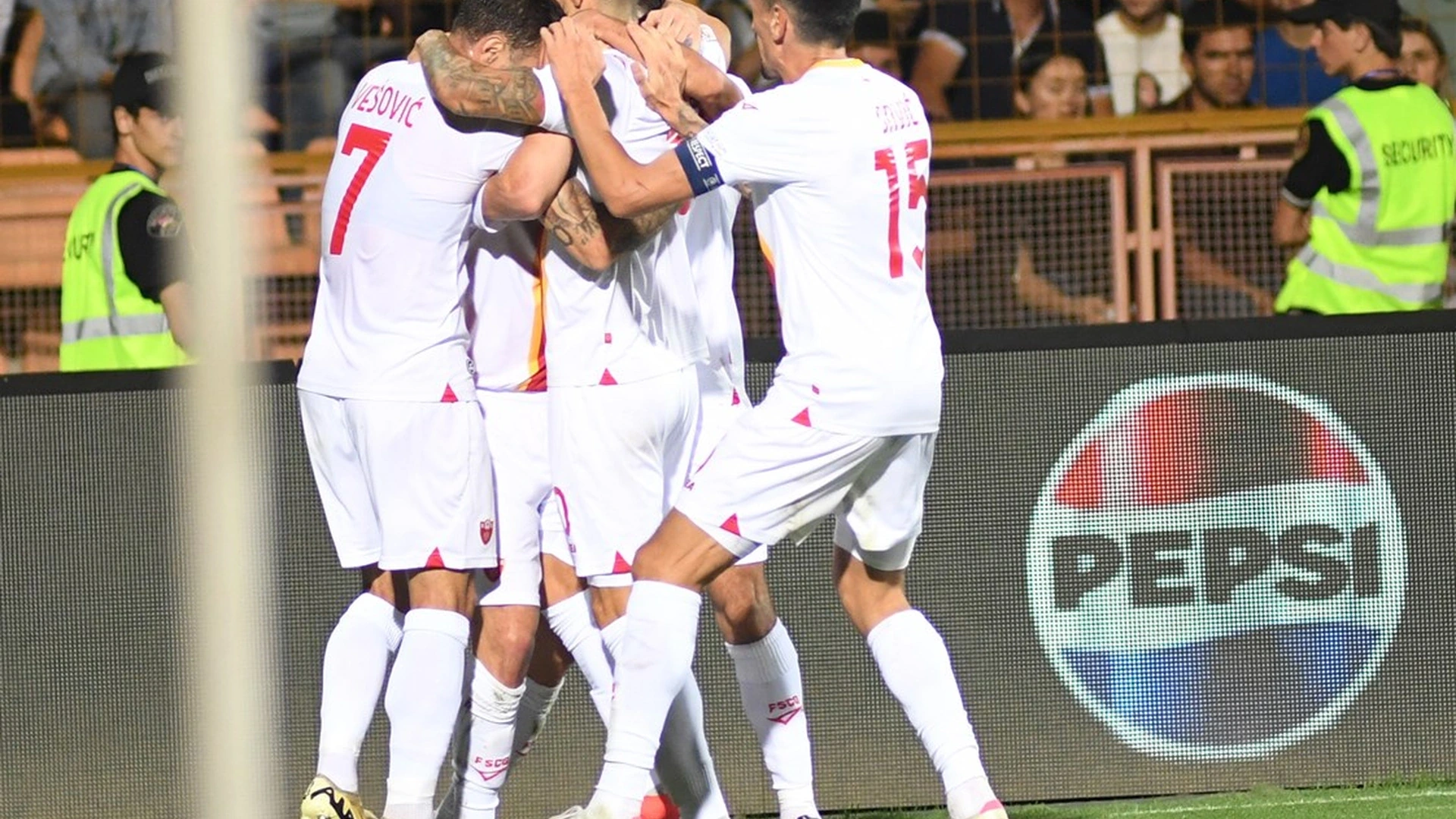
Montenegro edged Armenia 3-2 thanks to a last-minute strike from Aleksa Latković, his second decisive goal in four days. The win opened a three-point gap at the top of League C Group 2. Montenegro had been pulled level twice and still kept pushing forward, which is what made the late breakthrough possible. The finish was thrilling, but it came from a team that retained enough shape to carry one more controlled attack.
Armenia’s willingness to push up made it a messy contest
The home side never settled into a deep, defensive block. Whenever Montenegro gave up possession, Armenia pressed high and sent runners into the gaps. The game swung back and forth rather than settling into a steady stream of visiting pressure. Montenegro first had to survive those turnovers before it could turn its attention to unpicking the Armenian defence.
That bold approach also left Armenia exposed. Once a press was beaten, the defenders were chasing across wide areas and had little time to regroup. Two goals showed the upside of the strategy, while three conceded showed the price of leaving the back line stretched.
Wide play gave Montenegro a way into the middle
Central passes were hard to find against Armenia’s compact shape. So Montenegro switched play to the flanks, pulling a midfielder or full-back out of position and then looking for the pass back inside. Width mattered not for its own sake but because it opened a seam for a forward or a late-arriving midfielder.
Varying the delivery was equally important. Repeated high balls into a set defence are easy to read. By cutting the ball back, switching to the far post or working it closer to the byline, Montenegro forced Armenia to defend different areas. Those small changes meant the hosts never fully relaxed, even after surviving earlier waves.
Level at 2-2, Montenegro balanced caution and ambition
When a match is tied late on, teams often make one of two mistakes. Some accept a draw too quickly, while others commit so many players forward that a single turnover leads to an open goal. Montenegro kept hunting the winner while still covering the first pass Armenia would look for after a loss of possession. That meant attacks could be renewed after an unsuccessful move rather than ending in one desperate final push.
The midfield arrangement was key. One player offered a short option, another was positioned to win a clearance, and the rest stayed back to guard against a quick counter. With that structure in place, the forwards could commit to the box without fearing that every failed cross would leave them chasing back.
| Match fact | Detail |
|---|---|
| Result | Armenia 2-3 Montenegro |
| Decisive scorer | Aleksa Latković |
| Recent record | Second late winner in four days |
| Group impact | Montenegro moved three points clear in C2 |
How Latković got into the space that mattered
Scoring a second late winner in four days is more than luck. Arriving in a dangerous position at the end of back-to-back games takes focus and the conviction that the next action still counts. Tired defenders tend to watch the ball and the closest striker. A runner who holds back for a beat and then slips into an unmarked lane can take the final touch with far more composure.
The goal also showed how much the squad relies on several players taking responsibility. Montenegro did not depend on a single star to create every chance. Latković could make the decisive move because the build-up gave the team multiple options. Armenia had to defend the play as a collective pattern rather than as a pass to one obvious target.
What the lead means for the rest of the group
A three-point cushion in Group C2 is valuable, though it is far from decisive at this stage. Montenegro needs to keep the habits that won these points: stay competitive for the full 90 minutes, keep enough players behind the ball while attacking and accept that different players will settle different matches. If the team starts managing the table instead of playing, it risks losing the sharpness that built the lead.
Armenia has plenty of positives from scoring twice, but it must also work out why its pressure faded at the wrong moments. The fix probably isn’t to become more cautious. Better spacing behind the ball and clearer assignments for late runners could preserve the threat while cutting down the number of emergency duels inside the penalty area.
Familiar patterns produced Montenegro’s late winner
Late goals tend to be remembered as dramatic moments, but they usually grow out of basics: a secure first pass, width that stretches the defensive block and a runner who attacks the correct channel. Montenegro kept repeating those actions until Latković got his final chance. In the closing minutes the side did not need a new idea, only the discipline to carry out its existing one under heavier pressure.
That is the clearest takeaway from the 3-2 scoreline. Armenia showed it could hurt the group leaders and keep the contest alive. Montenegro showed it could respond without losing its shape. Latković provided the finish, but the structure around him is what turned a hopeful last attack into a real winning chance.



Comments
No comments yet — be the first to share your thoughts.