
Italy’s compact midfield can turn the meeting with France into a tactical contest
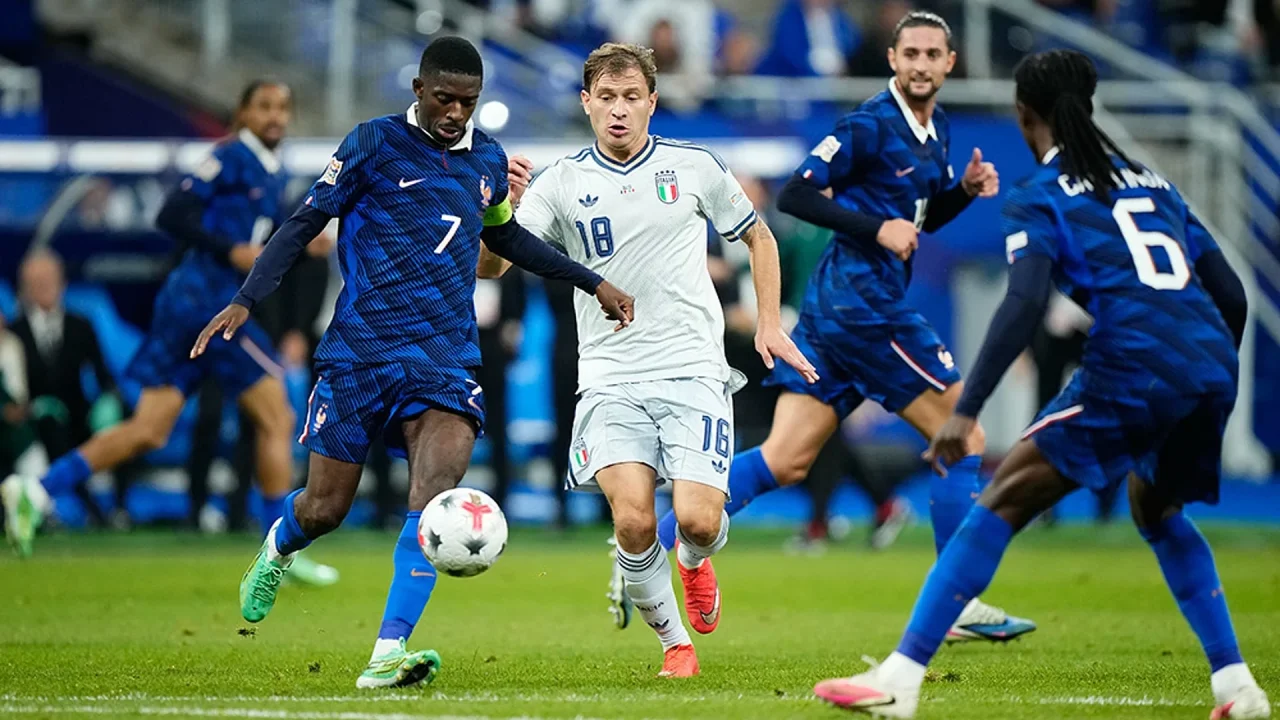
Italy must protect the pass behind midfield
France have enough pace to create danger from a single forward pass. Italy cannot allow the first pressing line to move without support, because that would leave a large gap for an attacker to receive and turn. The nearest midfielder should close the receiver while the defenders hold a distance that allows them to cover a run in behind.
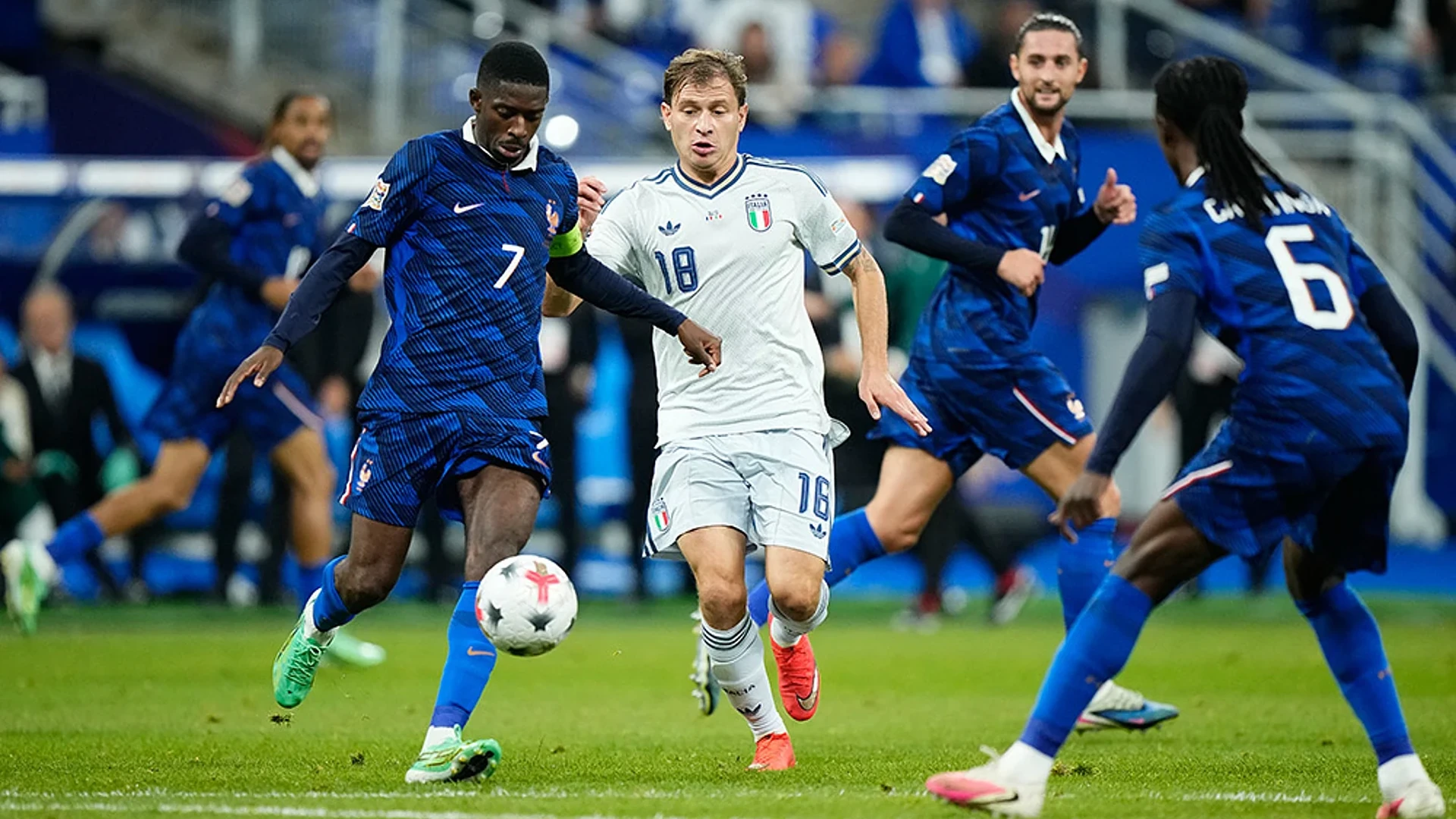
That structure does not mean Italy must defend close to their own penalty area. A compact team can press higher when the trigger is clear, such as a slow pass towards the touchline or a receiver facing his own goal. The important point is that every line reacts together instead of chasing the ball separately.
The previous meeting provided a useful warning
The teams meet on 12 November. In their earlier match, France scored through Michael Olise before Italy responded through Alessandro Bastoni. The equaliser showed that Italy can stay composed after a setback, but it also showed how quickly France can take advantage when a runner is not tracked around the edge of the area.
Italy should use the memory of that game as a guide rather than a prediction. France can change personnel and still keep the same basic threat: an attacker between the lines, width on both sides and runners arriving after the first pass. Clear communication between the Italian midfielders and centre-backs will be essential.
Possession needs a safe route out of pressure
When Italy recover the ball, the first pass should not automatically be played forward. France are comfortable pressing a hurried receiver and turning the next loose touch into an attack. Italy need one player underneath the ball and another available outside the French block, creating two exits rather than asking one midfielder to solve the pressure alone.
A controlled switch can move France away from the centre and give an Italian full-back room to advance. The opposite winger must then move inside at the right time, offering a target without crowding the striker. This pattern can produce a clean entry into the final third while keeping enough protection behind the attack.
Set pieces may carry extra value
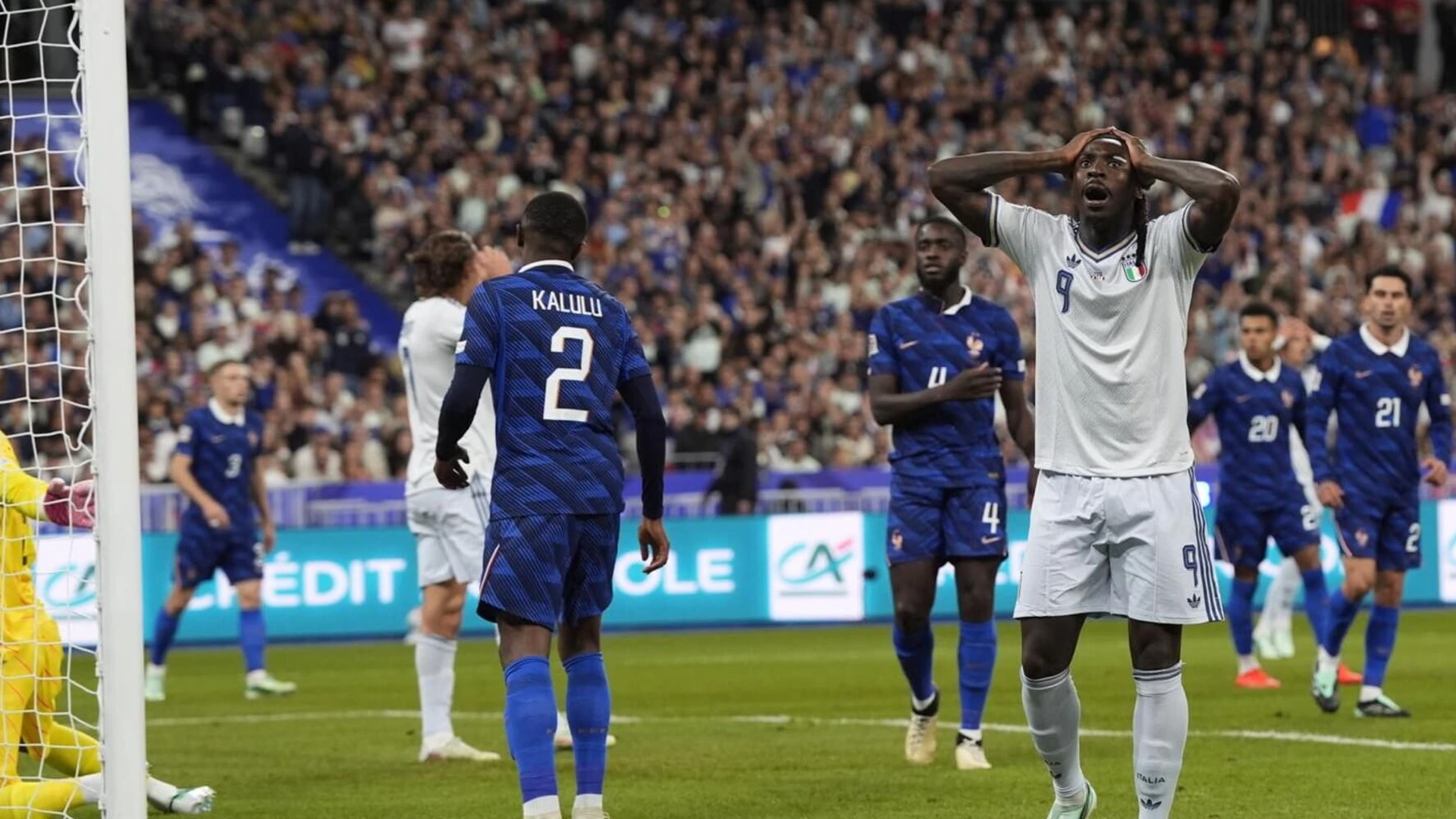
Open-play chances could be limited if both teams maintain their shape. Corners and wide free kicks would then become an important source of pressure. Italy have strong aerial players, but the delivery and the position of the second line matter as much as the first header. France will look to counter if the clearance falls into open space.
Italy’s best route is to keep the game organised and make each French attack begin farther from goal. France will still create moments through individual quality, so the hosts cannot expect complete control. A patient performance, supported by careful rest defence and accurate set pieces, gives Italy a realistic way to decide a close match.
Comments
No comments yet — be the first to share your thoughts.